Dr Robin George Andrews
Multi-Award-Winning Science Journalist - Author - Volcanologist - Public Speaker - Mischief Maker - Time Lord

The top of the world's most beautiful stratovolcano, Mount Fuji
Hello! I'm the doctor. (No, not that one.)
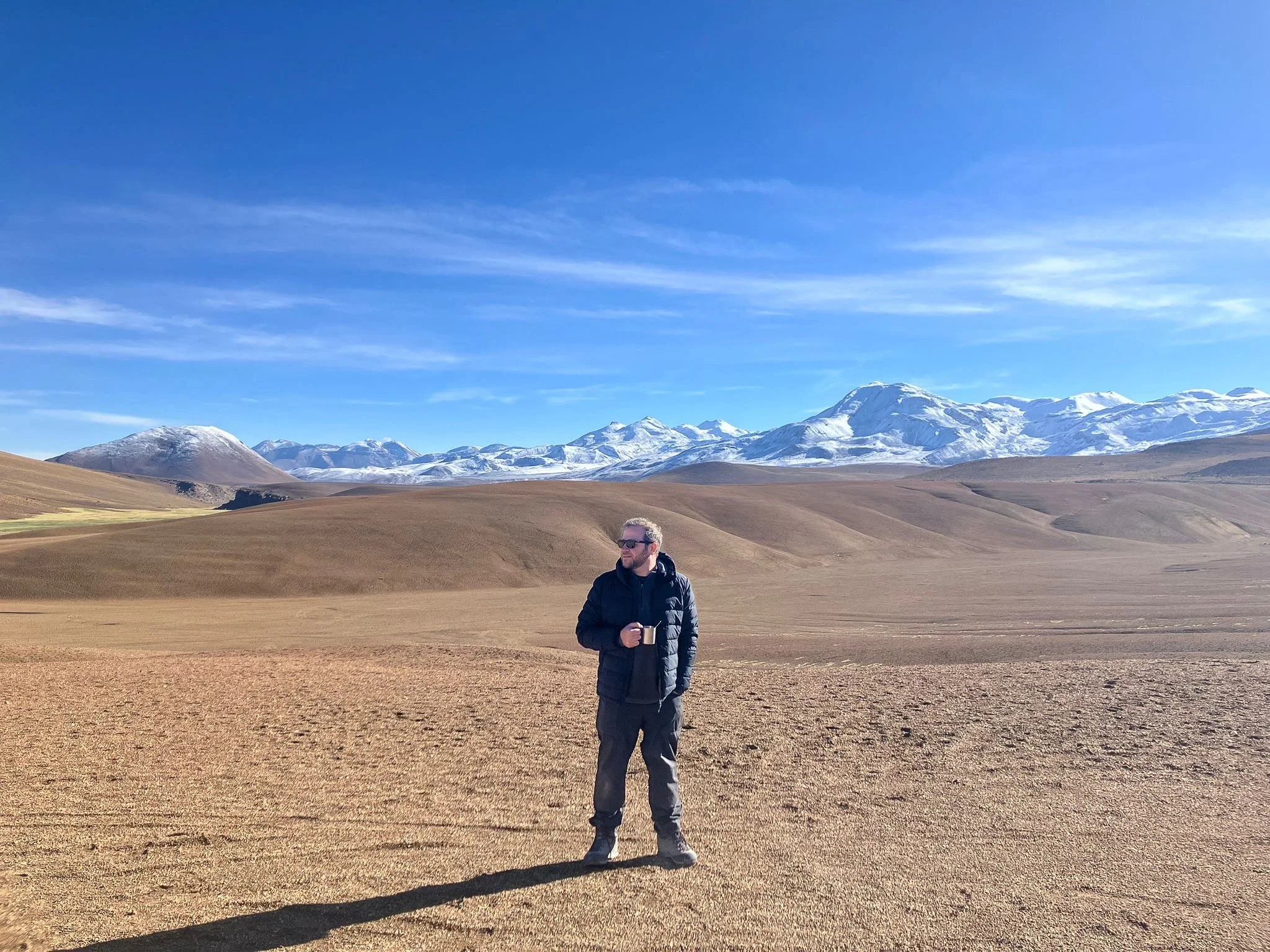
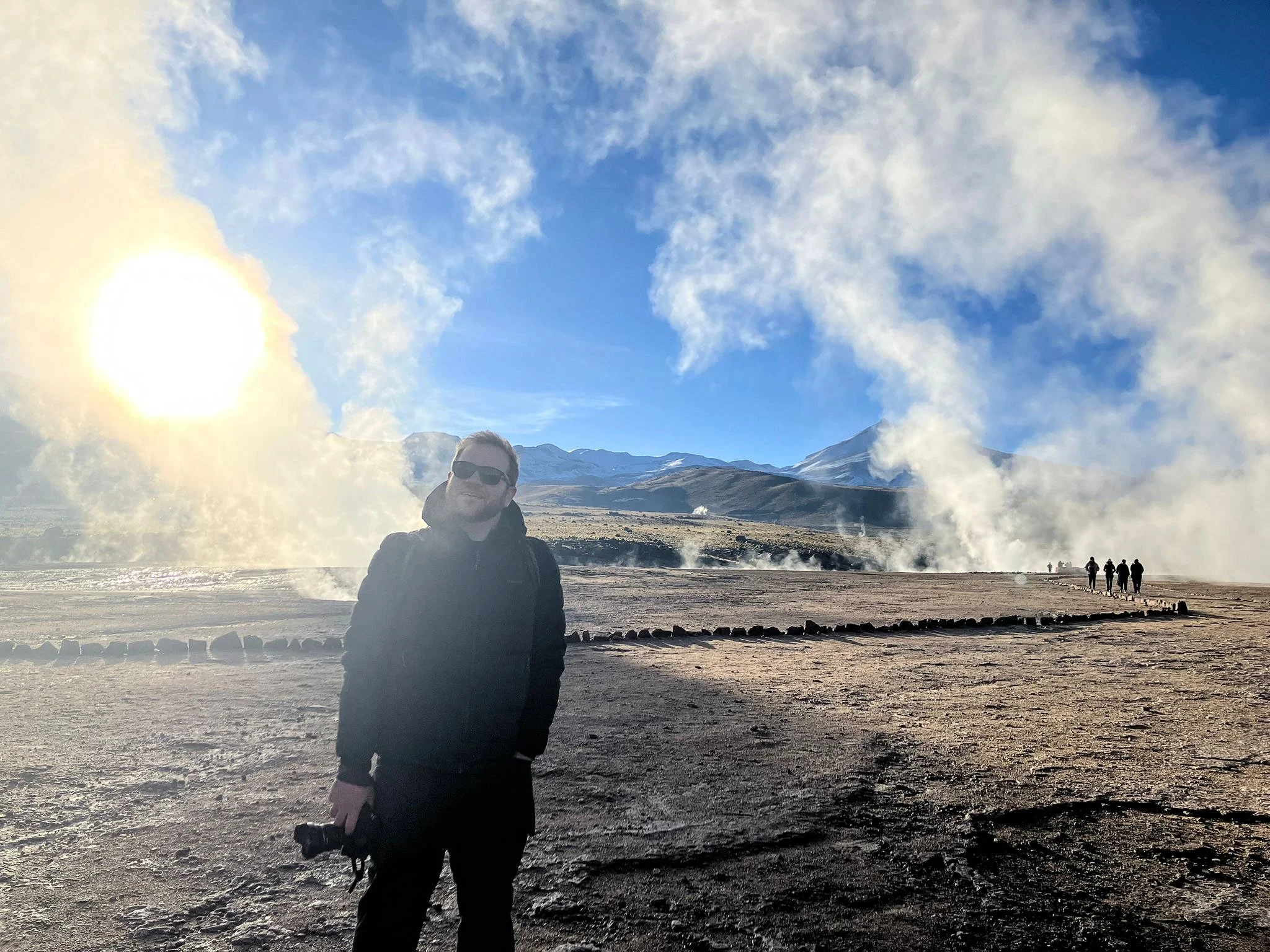
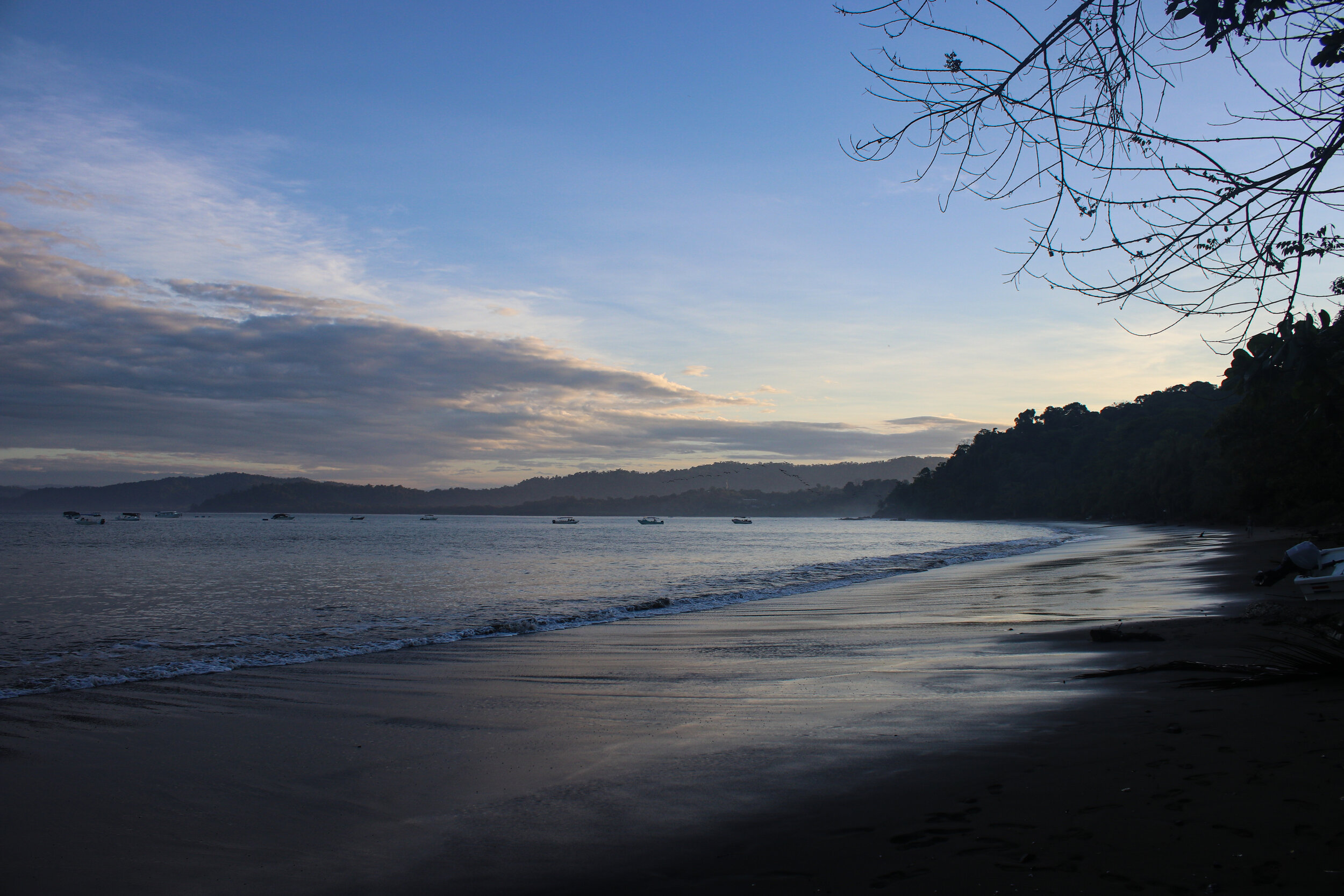
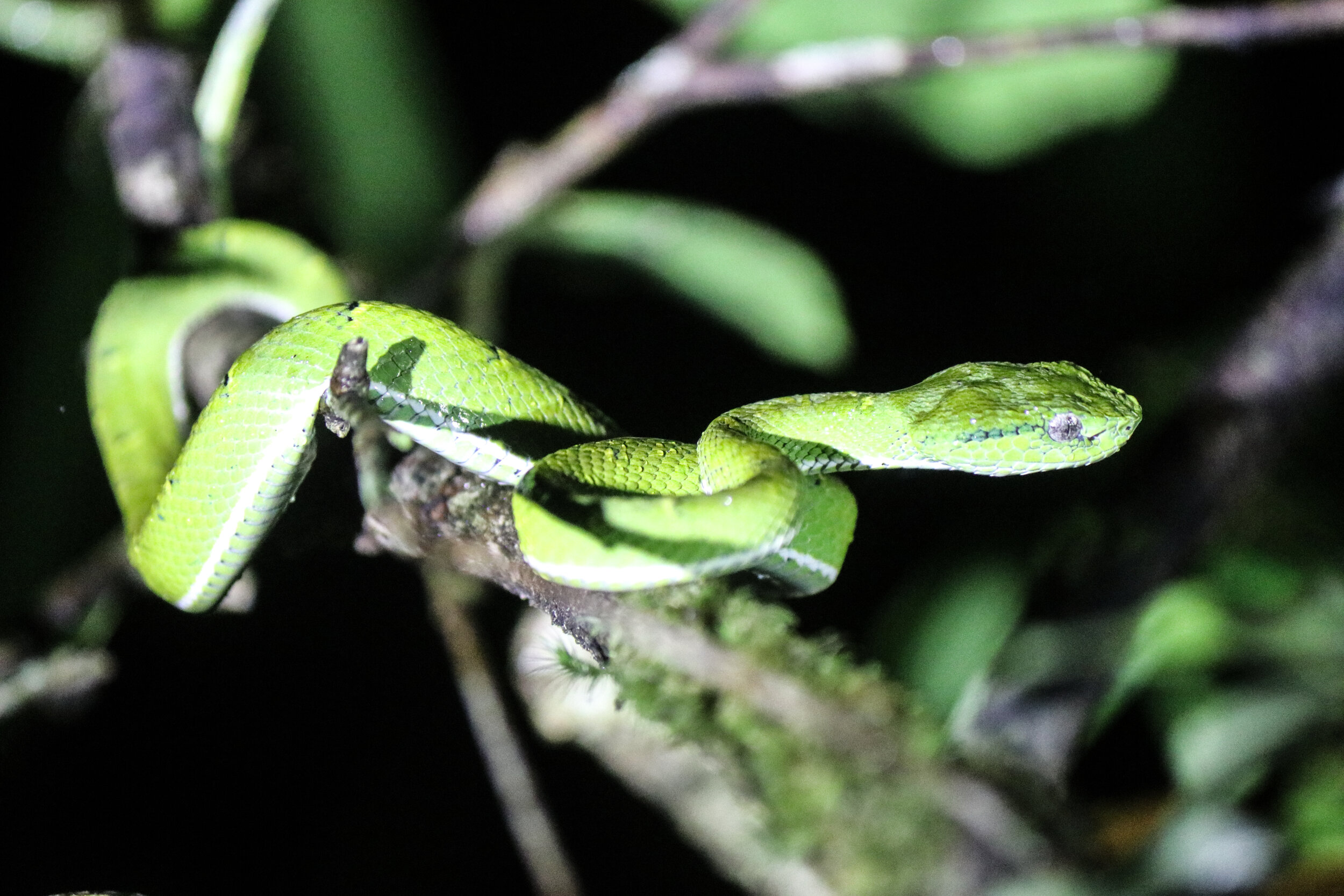
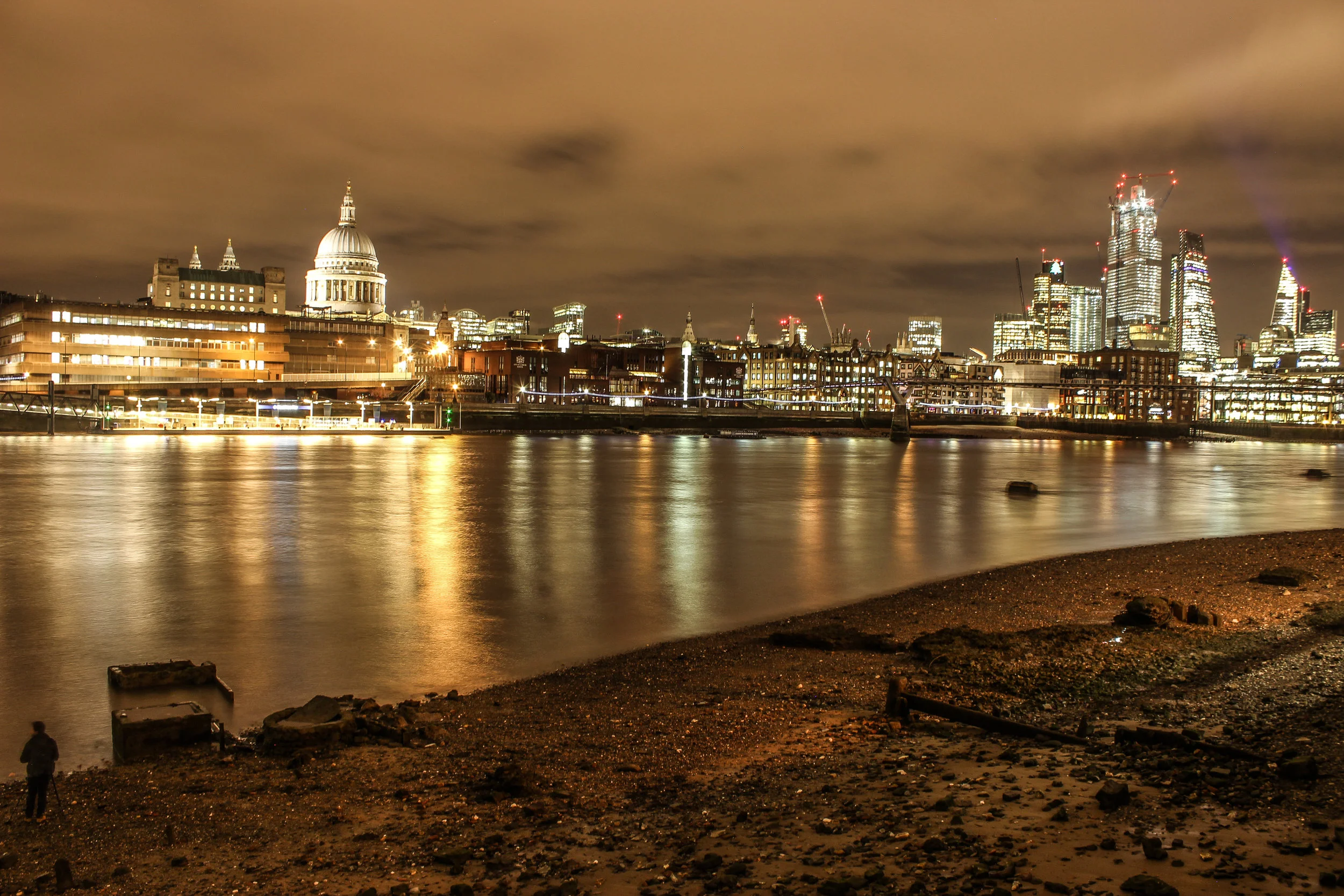
Robin is perpetually curious and often ridiculous. He’s a doctor of experimental volcanology (blew stuff up for science) an award-winning, full-time, freelance science journalist (rearranges letters for money), an author (of super fantastic volcanoes making and breaking worlds, and of NASA saving the world from killer asteroids), a part-time award-winning photographer (takes photographs that aren’t awful), a scientific consultant (tells people how to do science right), an occasional lecturer (rearranges letters and says them aloud for money), a public speaker (rearranges letters and says them aloud, sometimes for free), and a frequent explain-how-volcanoes-work TV guest (gesticulates wildly on live television). His work has appeared in The New York Times, The Atlantic, National Geographic, Scientific American, Quanta Magazine, The Washington Post, Vox, Nature, Science Magazine, Earther, Gizmodo, Forbes, The Verge, New Scientist, Supercluster, Discover Magazine, MIT Tech Review, Popular Science, Popular Mechanics, WIRED, CNN, the Guardian, the Observer, The Times, The Daily Beast, and elsewhere. He also has a column over at Atlas Obscura—Good News from Planet Earth—which tells tales that make your day just that little bit brighter.
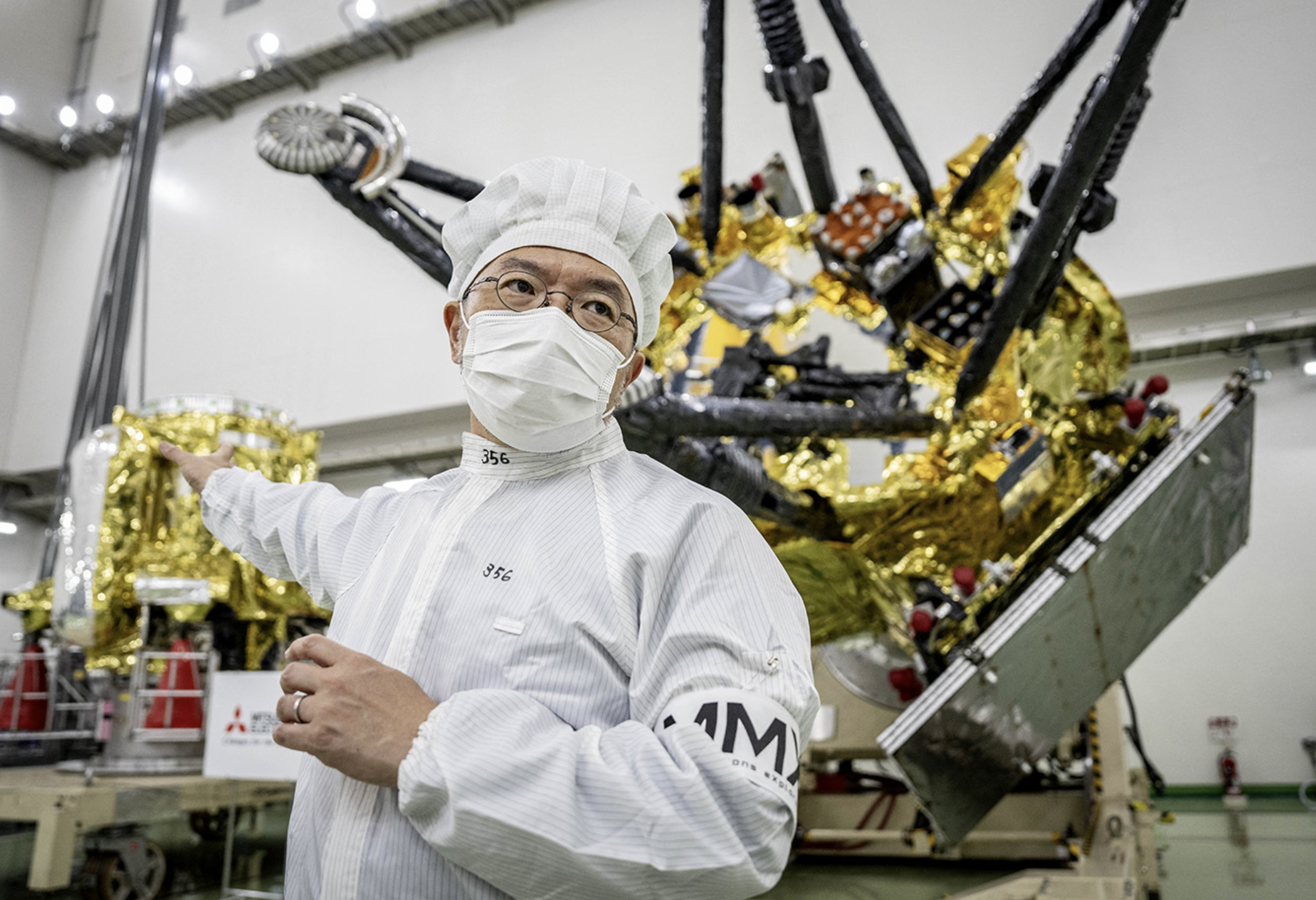
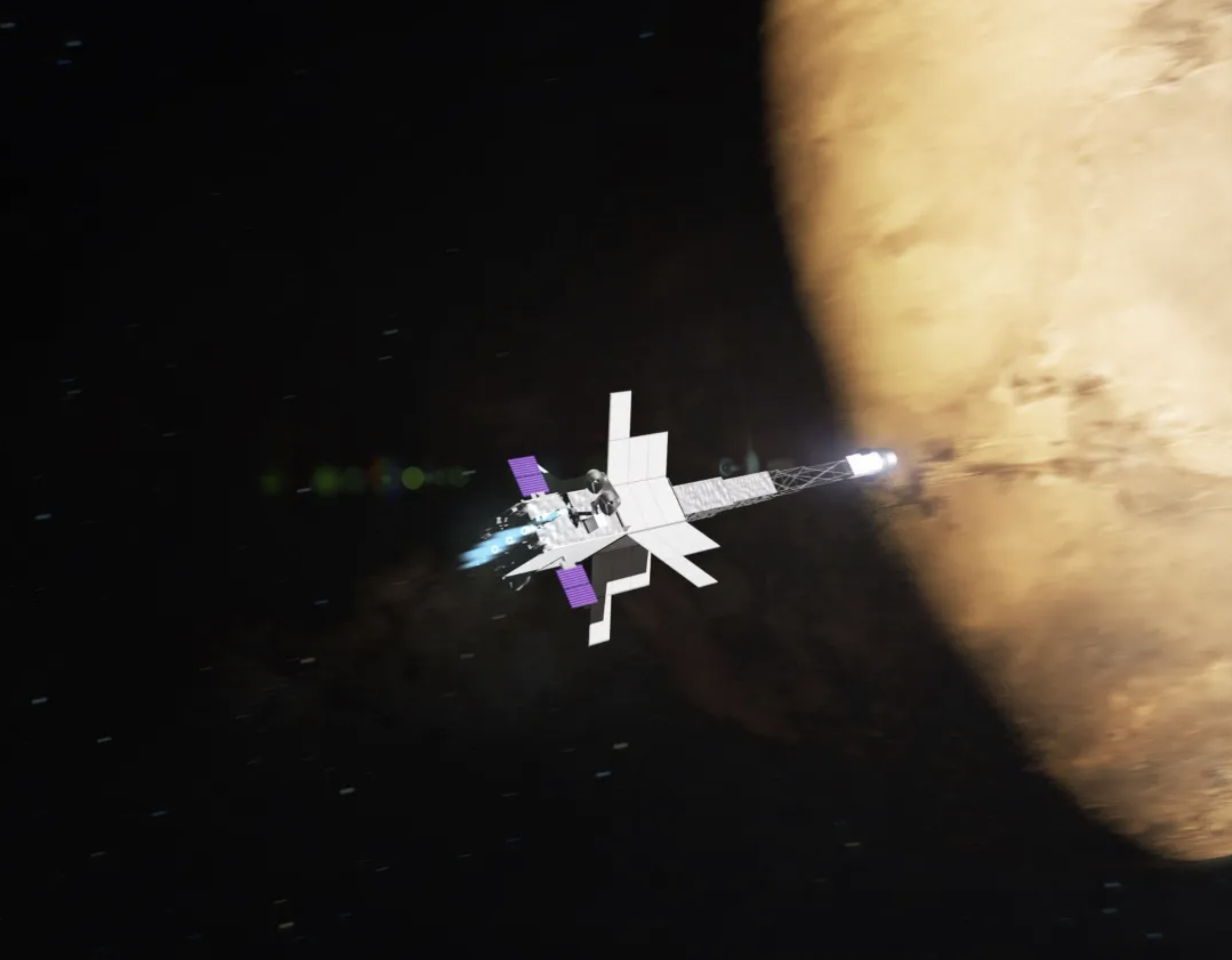
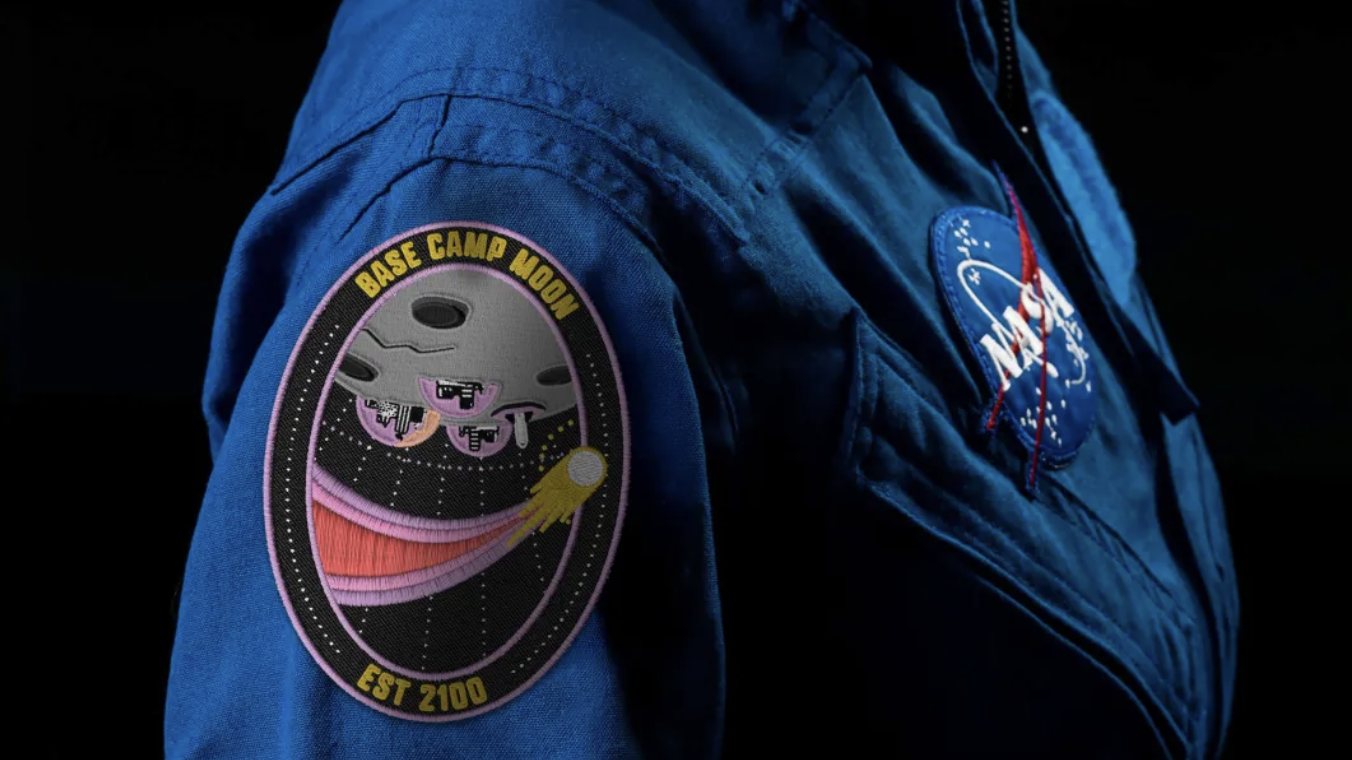
He’s enjoyed all his assignments, but he’s especially pleased that five of his stories made the front page of The New York Times – with two of these and one other making the cover of the Science Times section – and that his very first story for The Washington Post went straight to the front page. He also got to drive NASA’s next-gen Moon rovers – the ones that the Artemis astronauts will use to scoot around the lunar south pole - in a crazy assignment for National Geographic. Two of his tales (one on the return to Venus, and one on humanity being on the brink of finding Planet Nine) were made Scientific American’s cover stories, another made the cover of New Scientist, and one more got selected to be The Atlantic’s One Story To Read Today. Although all that might pale in comparison to his National Geographic story on an unsolved “murder” mystery—because that one went viral and got turned into TikToks, which was adorable. Oh, and three of his pieces – this one, this one and this one – were listed as notable essays in the 2021, 2022 and 2025 editions of the Best American Science and Nature Writing, which was lovely. He’s also appeared multiple times on Science Shortform’s best science journalism roundups, both as Honorable Mentions and Top Picks. An article he wrote for The Atlantic, one that explored the psychological dilemma experienced by scientists watching a spectacular but dangerous eruption, was immortalized in academia when his term for this phenomenon—the “volcanologist’s paradox”—was quoted and repeatedly cited in a 2022 Nature paper. And some of his reporting on planetary defense has been raised in the US Congress, urging NASA to do more to defend the planet from killer asteroids. A feature on Japan’s alien moon-heisting mission, MMX, was enjoyed by JAXA (Japan’s NASA) so much that a copy of it was framed and put up on the Director General’s office wall.
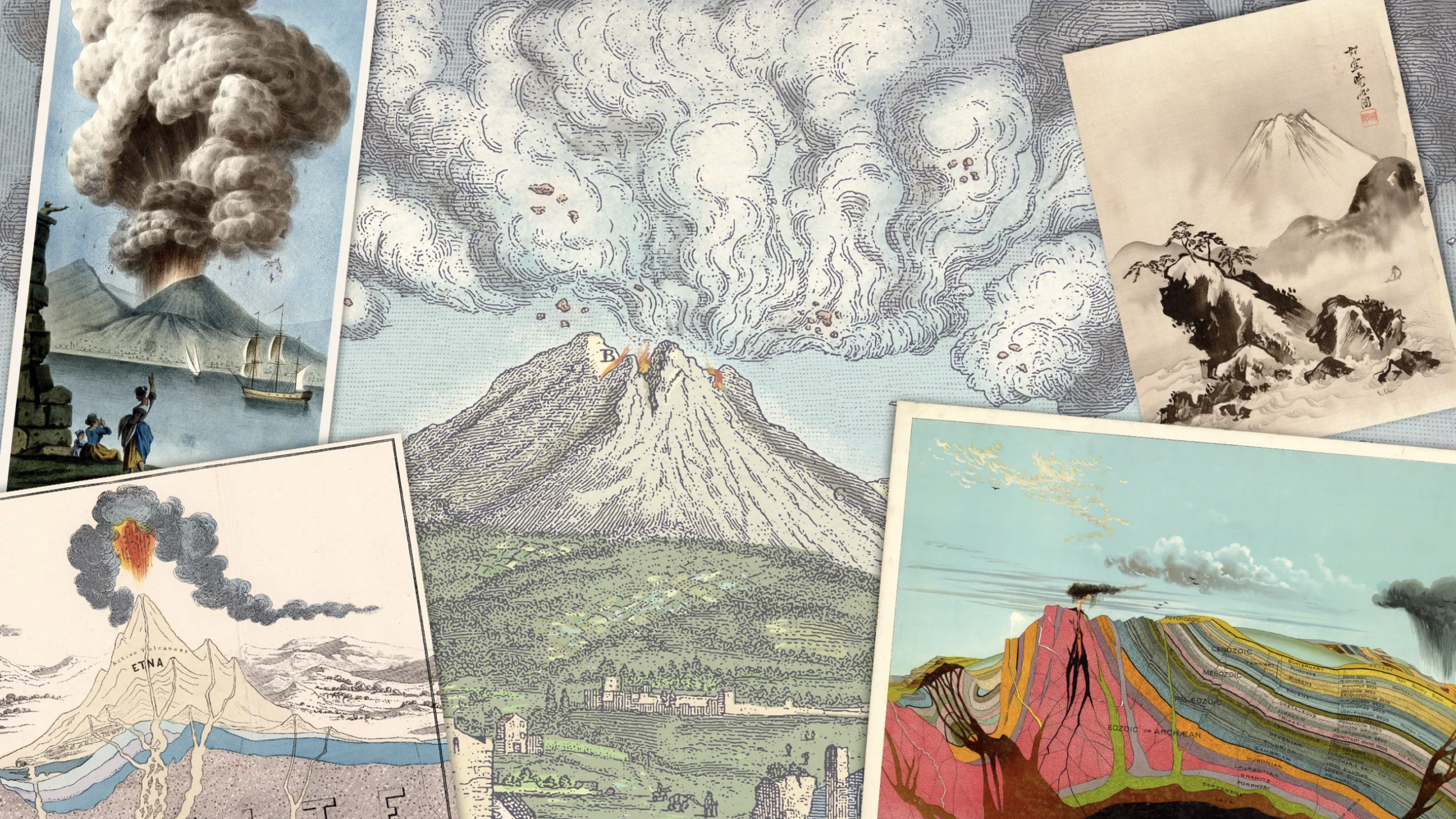
He’s also the author of the critically acclaimed and best-selling popular science book SUPER VOLCANOES: WHAT THEY REVEAL ABOUT EARTH AND THE WORLDS BEYOND — and it’s about (you guessed it) volcanoes. Many see volcanoes as little more than unpredictable magmatic killers. But for the most part, they are fantastical masterworks of molten rock capable of near-magical acts. And as they put on a pyrotechnical performance, they reveal secrets about the planets to which they belong. In other words, volcanoes aren’t frightening; they’re breathtaking, bizarre, and bonkers. They are citadels built by frozen lava that provide revelation after revelation about the Stygian depths and the strange surfaces of worlds near and far, including the only home we’ve ever known. (To his great relief, everyone seemed to really enjoy the book; one review, in the Wall Street Journal, described Robin’s writing style as “quasimagical”, which he was thrilled about.)
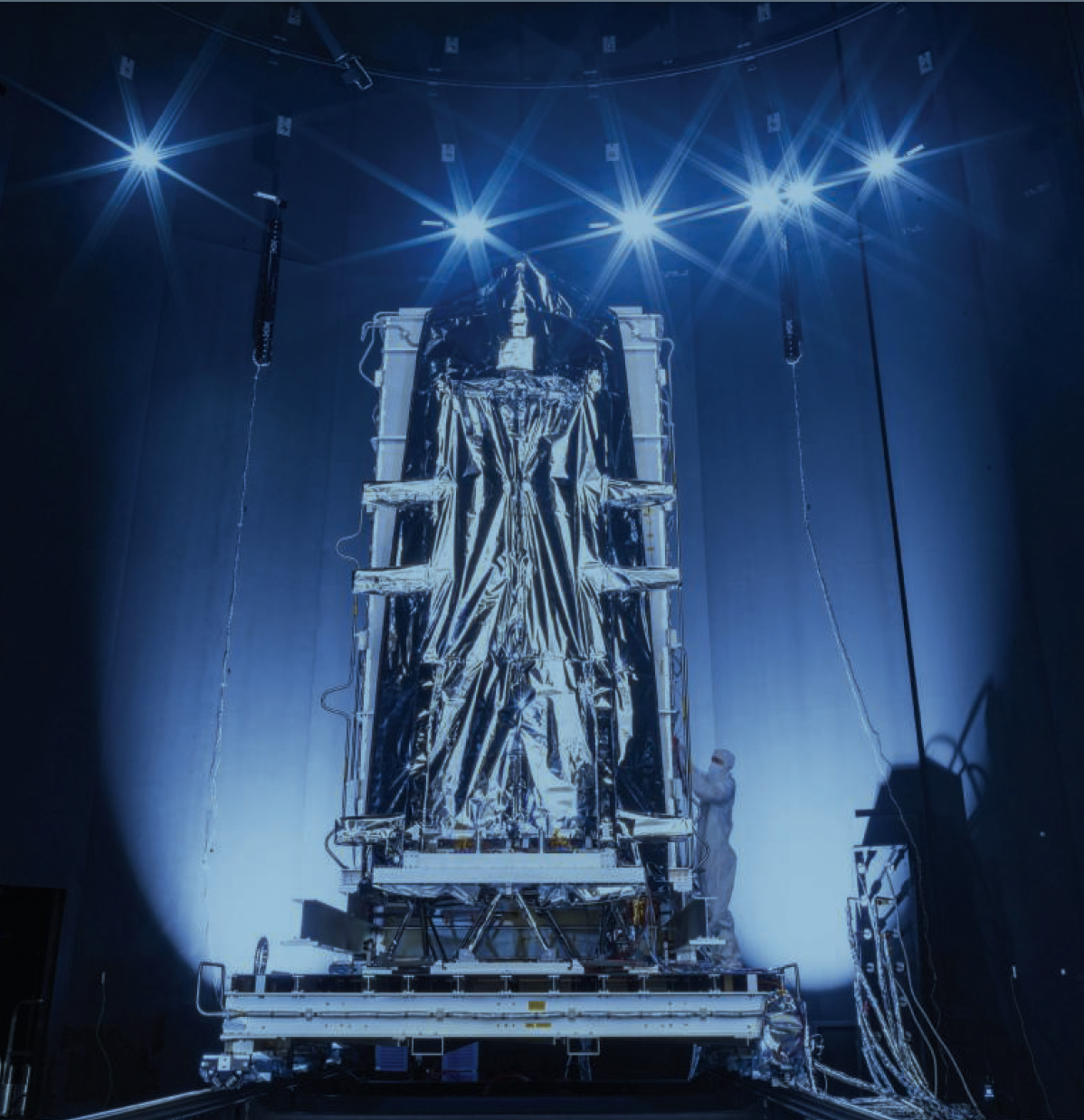
He’s also the author of a second critically acclaimed book! It’s not a surprise that the box office over the last few years has been dominated by escapist superhero fantasy flicks. Everybody loves a good story about saving the world. HOW TO KILL AN ASTEROID just happens to be the tale of how scientists are preparing to do it for real. It’s a narrative non-fiction saga revealing how the planetary defense movement was born, and how NASA and friends hope to stop lethal space rocks from smashing into the planet. You’ll laugh, you’ll gasp, and you’ll cry. Described by reviewers as “exciting and surprisingly funny”, “cinematic”, “riveting”, “tense”, “compelling”, “brilliant”, “a heaping bowl of mind candy”, and with a writing style that is “funny, wry, passionate and deeply informed,” and it’s officially “one of the most entertaining pop-science books of the year.” It was listed multiple times by various outlets as one of the Best Science Books of the Year (2024), as well as being named an Amazon Editors’ Pick for Best Non-Fiction Book of the Month. It was also a finalist for the 2025 Science in Society Journalism Awards. I was honoured in 2025 to give two back-to-back talks about my book at The Royal Institution in London, which you can watch back here.
You can also sometimes see his goofy face appear on TV, including on BBC News, Sky News, Al Jazeera, and Good Morning America. If faces aren’t your thing, you can hear his exceedingly British accent on the Guardian’s podcasts, and on Vox’s immaculately made Unexplainable podcast talking about planets and planetary defense.
He’s also been fortunate enough to win some awards! Robin is the 2022 recipient of the European Geosciences Union's Angela Croome Award for continued, excellent and successful reporting of Earth, space & planetary science topics—something he received the day after his first book was published in the US, making those 48 hours pretty damn exciting. Later that year, he was made the 2022 recipient of the American Geophysical Union’s David Perlman Award for Excellence in Science Writing — News, specifically for this National Geographic article about the Dyatlov Pass incident, easily the strangest story he’s ever reported. Two of his stories were finalists in the 2025 edition of the Association of British Science Writers Awards, and this one (for Quanta Magazine, about a world-shaking mystery quake) won the accolade for News Item of the Year in 2025. In 2026, his story on Jupiter and the Juno mission won the American Astronomical Society’s 2026 Jonathan Eberhart Planetary Sciences Journalism Award.
Find him here, sometimes on this, and elsewhere. If you happen to be in London, he'd much prefer to meet at the Umbrella Workshop. Yes, he's always available to cameo in Star Wars and Doctor Who.
Direct all mail - hate or otherwise - here.
If you’d prefer, you can meet me in asteroid form: (20635) Robinandrews hangs out between Mars and Jupiter—and at 24 kilometers across, it’s enough to kill everyone on Earth. So don’t get on its bad side. ;)